



Coronary Artery Disease
A patient guide to symptoms, diagnosis, medical treatment, stents and bypass decisions in coronary artery disease.
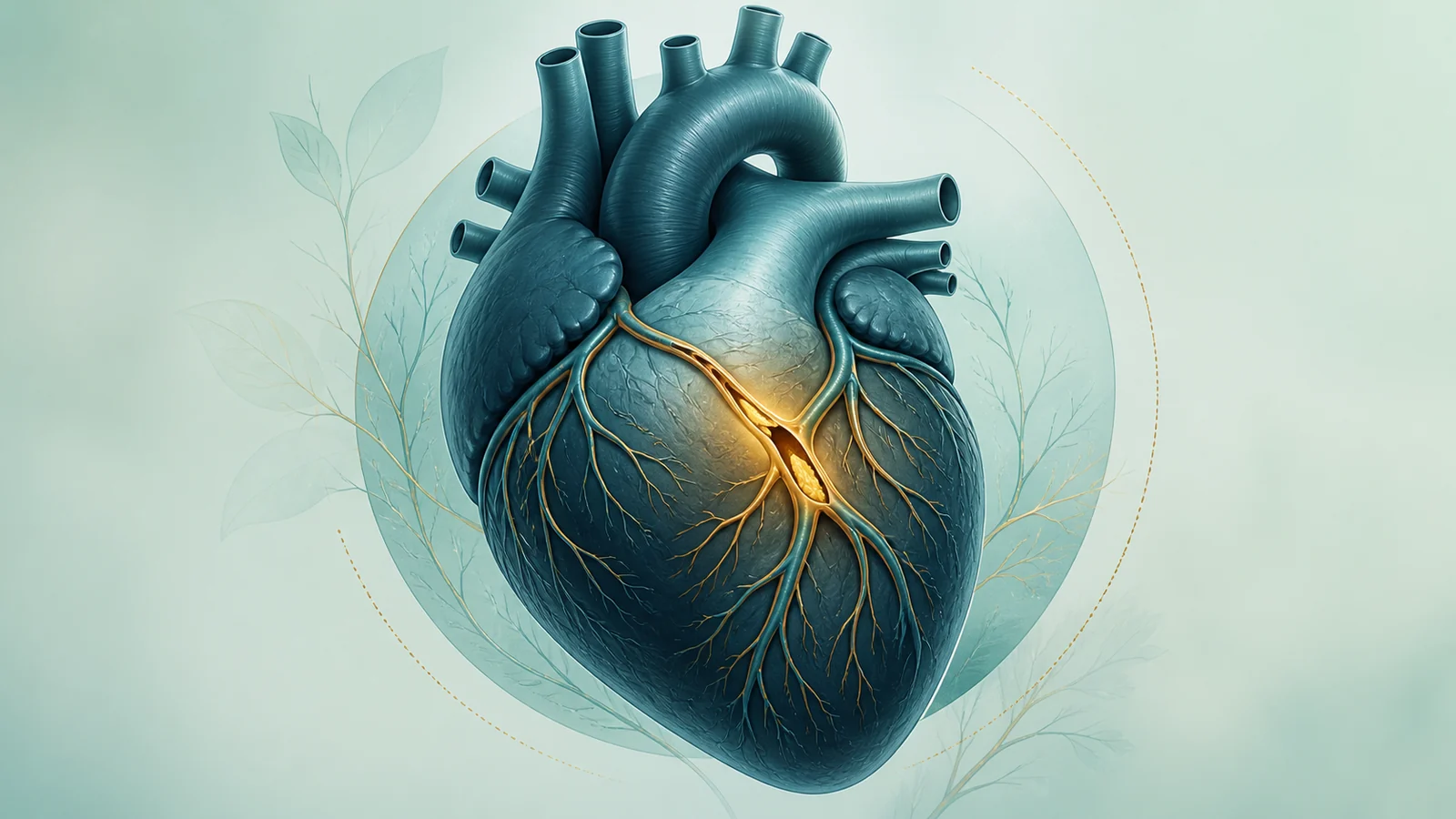
Coronary artery disease develops when the arteries supplying the heart muscle become narrowed or function abnormally. Atherosclerotic plaque is the most common cause, but coronary spasm and dysfunction of the small vessels may also reduce blood flow. The condition can remain silent for years, cause predictable chest discomfort with activity, or present suddenly as a heart attack.
Key Points
The same diagnosis does not carry the same meaning for every patient. Symptoms, the number and location of affected vessels, heart function and future cardiovascular risk must be assessed together. A narrowing seen on a scan does not automatically require a stent, and a normal resting ECG does not exclude coronary disease.
Symptoms and Warning Signs
- Pressure, tightness, heaviness or burning in the centre of the chest, often triggered by exertion, cold weather or emotional stress
- Discomfort spreading to an arm, shoulder, back, neck, jaw or upper abdomen
- Shortness of breath, unusual fatigue or a reduction in exercise capacity
- Sweating, nausea, dizziness or marked weakness
- Less typical symptoms, especially in older adults, people with diabetes and some women
Risk Factors
Smoking, high LDL cholesterol, high blood pressure, diabetes, chronic kidney disease, excess weight, physical inactivity and a family history of early cardiovascular disease can increase risk. Several modest risk factors occurring together may be more important than one isolated measurement.
How Is It Diagnosed?
Assessment begins with the pattern of symptoms, examination and overall cardiovascular risk. An ECG and blood tests may be followed by echocardiography. Depending on the clinical likelihood, coronary CT angiography or stress imaging may be used. Invasive coronary angiography is considered when symptoms persist, high-risk disease is suspected or a procedure may be needed. Pressure-wire measurements such as FFR or iFR can help determine whether a particular narrowing restricts blood flow.
Can Angina Occur Without a Major Narrowing?
Yes. Symptoms may arise from coronary microvascular dysfunction or coronary spasm even when the large arteries do not contain a severe obstruction. This situation requires a different diagnostic and treatment approach; persistent symptoms should not be dismissed solely because a scan shows no major stenosis.
Treatment and Follow-up
Treatment aims to prevent heart attack, relieve symptoms and protect quality of life. It may include stopping tobacco, regular appropriate activity, weight and sleep management, and individual targets for blood pressure, LDL cholesterol and glucose. Medicines are selected according to symptoms, clotting and bleeding risk, heart rate and other conditions. A stent or bypass operation may be considered when symptoms continue despite treatment or when the anatomy is high risk. The decision is based on more than the percentage narrowing and may involve a multidisciplinary Heart Team.
When to Seek Emergency Help
Emergency assessment is also required when chest discomfort is accompanied by breathlessness, cold sweating, nausea, fainting or pain spreading to the arm, back or jaw.
Frequently Asked Questions
Does a normal ECG rule out coronary artery disease?
No. A resting ECG may be normal. Test selection depends on symptoms and clinical likelihood.
Does every narrowing require a stent?
No. Symptoms, blood-flow limitation, heart function, medication response and the overall anatomy are considered together.
Can the disease be cured completely?
Atherosclerosis is a long-term condition, but careful control of risk factors and evidence-based treatment can substantially reduce progression and cardiovascular events.