



Electrophysiology Study
How an electrophysiology study identifies arrhythmia mechanisms and supports ablation decisions.
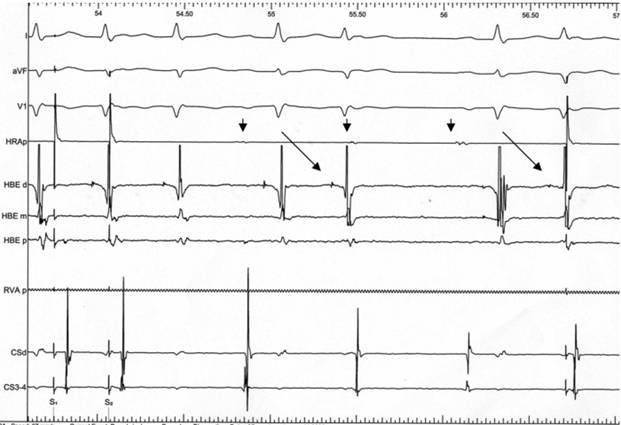
An electrophysiology study places specialised catheters inside the heart to record and stimulate its electrical system. It can define an arrhythmia mechanism when non-invasive recordings are insufficient or when ablation is planned.
Key Points
- The indication, likely rhythm and possibility of proceeding to ablation are discussed beforehand.
- Medicines may need adjustment only under the electrophysiology team’s instructions.
- Findings are interpreted with the clinical rhythm; inducibility alone does not answer every risk question.
- This page provides general patient information and does not replace individual examination, diagnosis or treatment planning.
Why This Topic Matters
The value of a cardiovascular procedure depends on selecting the right patient, answering a defined clinical question and balancing expected benefit against alternatives and procedural risk.
Assessment and Clinical Reasoning
Before the procedure, the indication, relevant imaging and laboratory results, medicines, kidney function, bleeding risk, allergies and coexisting disease are reviewed. The consent discussion should cover realistic benefits, limitations and alternatives.
The clinician will ask when symptoms began, what triggers or relieves them, how long they last and how they affect normal activity. Previous reports, original images where available, a current medicine list and relevant family history help avoid unnecessary repetition and improve comparison over time.
Tests, Results and Their Limitations
Every test has a defined scope, technical limitations and the possibility of an uncertain or misleading result. Findings are interpreted together with symptoms, examination, ECG, laboratory data and previous studies. A single normal result may not exclude intermittent or newly developing disease; an abnormal value does not automatically mandate an invasive treatment.
Treatment and Shared Decisions
Technique and aftercare vary with anatomy and clinical circumstances. The procedural result is only one part of care; medicines, risk-factor control, wound or access-site care and planned follow-up remain important.
Useful questions include: What problem are we trying to solve? What benefit is realistically expected? What are the alternatives and important risks? How will we know whether the plan is working? Shared decision-making incorporates clinical evidence, practical circumstances and the patient’s informed preferences.
Safety, Medicines and Preparation
- Keep one accurate list of prescription medicines, non-prescription products and supplements.
- Report allergies, kidney or liver disease, pregnancy potential, previous bleeding and implanted cardiac devices.
- Do not stop, double or borrow cardiovascular medicines without medicine-specific professional advice.
- Ask for clear written instructions before fasting, a procedure, surgery, travel or a major change in activity.
Follow-up and Daily Life
Follow-up confirms symptom response, treatment adherence and any procedure-specific measurements. New symptoms may represent recurrence, a different rhythm or condition, or a complication and should be documented rather than assumed.
Record important symptoms with date, duration, activity and associated pulse or blood pressure when safe to do so. Contact the clinical team earlier if symptoms become more frequent, occur at lower exertion, disturb sleep, cause loss of function or appear after a medicine change.
When to Seek Emergency Help
Do not wait for an online reply when symptoms are sudden, severe or rapidly worsening. Emergency services can assess circulation, ECG and other time-sensitive findings while treatment is still most effective.
Frequently Asked Questions
Does everyone with this finding need the same treatment?
No. Severity, symptoms, associated disease, future risk, treatment benefit and personal circumstances differ substantially.
Can a normal test end follow-up permanently?
Not always. The meaning and useful lifespan of a result depend on the test, baseline risk and whether symptoms or health status change.
Should I change my medicines before an appointment or test?
Only when the prescribing or testing team has given a clear medicine-specific instruction. Bring an up-to-date list to every visit.
Clinical Sources and Medical Review
The clinical references displayed below are shared with the medically reviewed Turkish source record. This English version is a full patient-information translation and should be reconsidered when the Turkish source or its guideline references are updated.