



Palpitations and Arrhythmias During Pregnancy
Physiological heart-rate change, ECG and monitor assessment, and safe arrhythmia treatment during pregnancy.
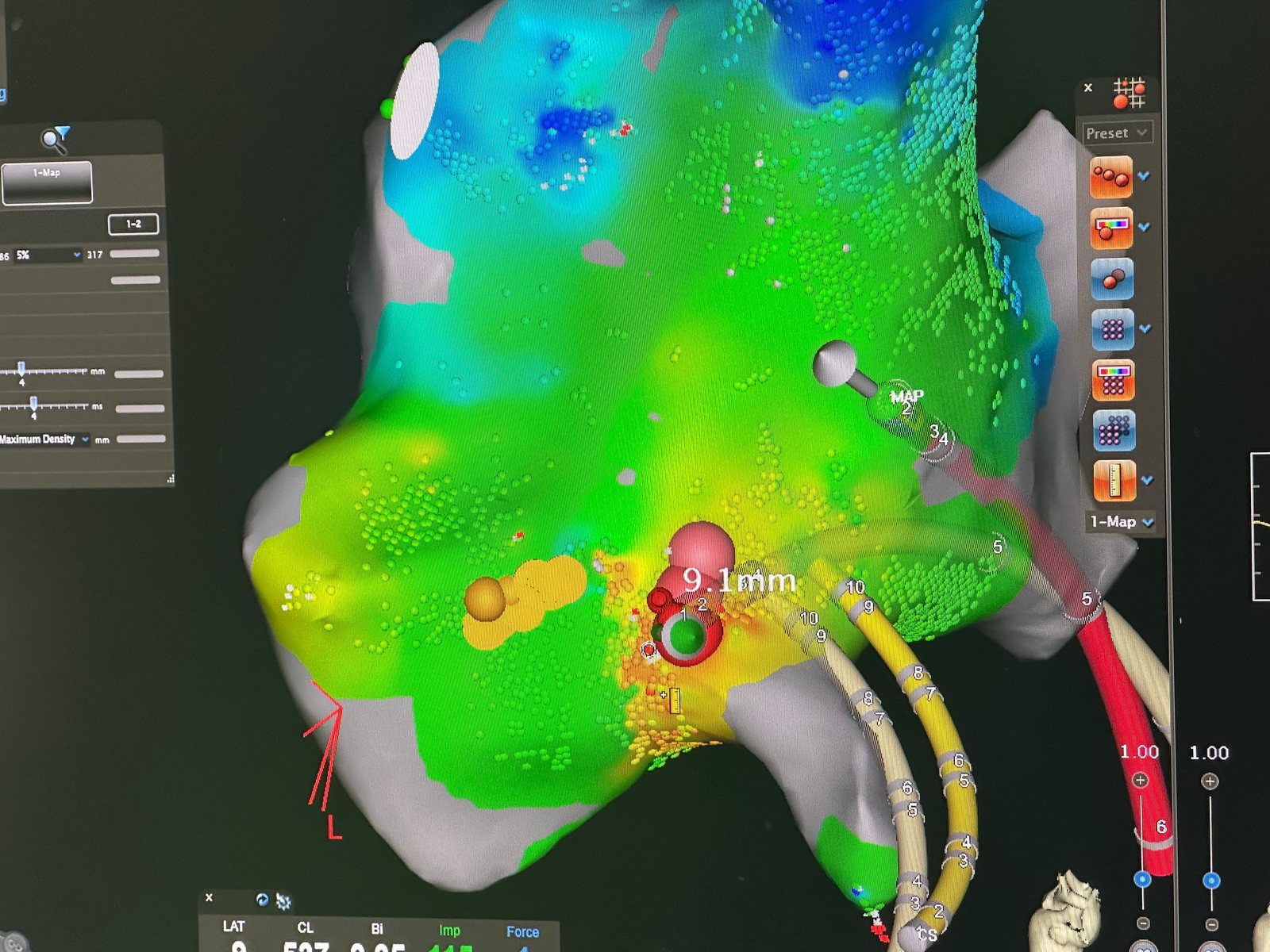
Heart rate and awareness of beats often increase in pregnancy, but sustained tachycardia, fainting or underlying heart disease requires structured evaluation.
Key Points
- Record duration, regularity, triggers and associated symptoms.
- ECG, blood count, thyroid tests, electrolytes, monitoring and echocardiography are selected as needed.
- Maternal circulation and fetal wellbeing guide treatment rather than pulse rate alone.
- This page provides general patient information and does not replace individual examination, diagnosis or treatment planning.
Why This Topic Matters
Pregnancy increases circulatory workload, so risk depends on the precise diagnosis, ventricular function, valve or vessel severity, rhythm history, oxygen level, prior events and medication—not on the diagnostic label alone.
Assessment and Clinical Reasoning
Whenever possible, assessment begins before pregnancy and includes a personalised maternal risk classification. Cardiology, obstetrics, anaesthesia and other specialists form a Pregnancy Heart Team for moderate or high-risk situations.
The clinician will ask when symptoms began, what triggers or relieves them, how long they last and how they affect normal activity. Previous reports, original images where available, a current medicine list and relevant family history help avoid unnecessary repetition and improve comparison over time.
Tests, Results and Their Limitations
Every test has a defined scope, technical limitations and the possibility of an uncertain or misleading result. Findings are interpreted together with symptoms, examination, ECG, laboratory data and previous studies. A single normal result may not exclude intermittent or newly developing disease; an abnormal value does not automatically mandate an invasive treatment.
Treatment and Shared Decisions
Medicines and imaging are selected by balancing maternal and fetal benefit. Medicines should not be stopped automatically when pregnancy is discovered; a supervised change may be safer than abrupt withdrawal.
Useful questions include: What problem are we trying to solve? What benefit is realistically expected? What are the alternatives and important risks? How will we know whether the plan is working? Shared decision-making incorporates clinical evidence, practical circumstances and the patient’s informed preferences.
Safety, Medicines and Preparation
- Keep one accurate list of prescription medicines, non-prescription products and supplements.
- Report allergies, kidney or liver disease, pregnancy potential, previous bleeding and implanted cardiac devices.
- Do not stop, double or borrow cardiovascular medicines without medicine-specific professional advice.
- Ask for clear written instructions before fasting, a procedure, surgery, travel or a major change in activity.
Follow-up and Daily Life
The plan covers pregnancy, delivery and the postpartum period because fluid shifts and cardiovascular risk do not end at birth. Maternal symptoms and fetal growth or wellbeing are monitored together.
Record important symptoms with date, duration, activity and associated pulse or blood pressure when safe to do so. Contact the clinical team earlier if symptoms become more frequent, occur at lower exertion, disturb sleep, cause loss of function or appear after a medicine change.
When to Seek Emergency Help
Do not wait for an online reply when symptoms are sudden, severe or rapidly worsening. Emergency services can assess circulation, ECG and other time-sensitive findings while treatment is still most effective.
Frequently Asked Questions
Does everyone with this finding need the same treatment?
No. Severity, symptoms, associated disease, future risk, treatment benefit and personal circumstances differ substantially.
Can a normal test end follow-up permanently?
Not always. The meaning and useful lifespan of a result depend on the test, baseline risk and whether symptoms or health status change.
Should I change my medicines before an appointment or test?
Only when the prescribing or testing team has given a clear medicine-specific instruction. Bring an up-to-date list to every visit.
Clinical Sources and Medical Review
The clinical references displayed below are shared with the medically reviewed Turkish source record. This English version is a full patient-information translation and should be reconsidered when the Turkish source or its guideline references are updated.